Transform Your Hair With Keratin Treatments: Benefits and What to Expect
Keratin treatments have become increasingly popular as an effective solution for various hair concerns. These specialized salon procedures are designed to strengthen and smooth hair by supplementing it with natural keratin. While many seek this treatment for its ability to reduce frizz, understanding the application and maintenance process is essential. As people consider this option, they often wonder about the specific benefits and what the process entails. The journey begins with an assessment of individual hair needs and concerns.
Understanding Keratin Treatments and How They Work
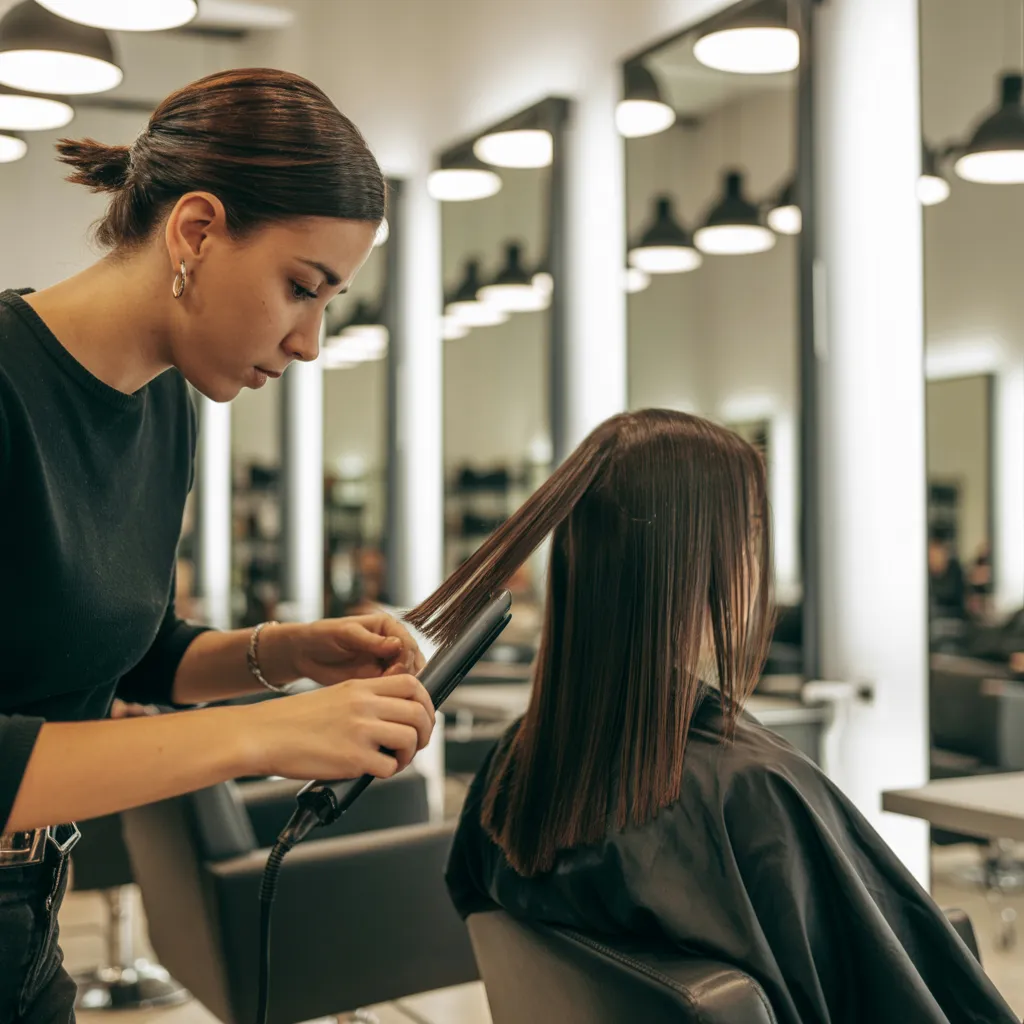
A keratin treatment is an in-salon procedure designed to reduce frizz and fortify hair. This treatment consists of applying a keratin-rich formula to hair strands, which is then secured in place using heat from a flat iron. Keratin, a naturally occurring protein present in hair, skin, and nails, works to strengthen and protect the hair's integrity. During the process, the treatment works into the hair cuticle, sealing gaps and renewing its integrity.
Generally spanning a few weeks to several months, the benefits of a keratin treatment can lead to reduced frizz, improved shine, and enhanced manageability. Many clients find that their hair grows more manageable and easier to work with. Even though the treatment proves helpful across a wide range of hair types, it is crucial for people to speak with a qualified hair professional to ensure accurate application and satisfying outcomes. In summary, keratin treatments serve as a popular option for those seeking smoother, healthier hair.
Who Should Consider a Keratin Treatment?
Those with curly hair types frequently look for keratin treatments to handle their texture and cut down on styling time. Similarly, those who struggle with frizz can take advantage of the smoothing benefits of keratin, contributing to a more polished appearance. These treatments offer a viable solution for those seeking to improve their hair's manageability and shine.
Curly Hair Varieties
Thinking about which curl patterns can take advantage of a keratin treatment? People with hair ranging from wavy to tightly coiled often find keratin treatments highly effective. These treatments can help soften and smooth the cuticle layer, minimizing frizz and boosting manageability. For those with medium to thick curly hair, keratin can significantly cut down styling time while enhancing hair health. Additionally, people who struggle with dryness and fragility may notice restored luster and softness after treatment. However, it is critical for those with very fine curls to seek professional advice, as an overabundance of keratin can burden fragile hair. Ultimately, those looking to tame unruly curls or maintain defined waves may consider keratin treatments a worthwhile solution for attaining the look they desire.
People Prone to Frizz
Numerous individuals struggling with frizz frequently look for ways to manage their unruly hair, and keratin treatments can be an effective option. Such treatments operate by depositing keratin, a natural protein, deep into the hair shaft, calming the cuticle and eliminating frizz. Ideal for those with wavy or coarse textures, keratin treatments help create a polished look while enhancing manageability.
Additionally, they can considerably reduce styling time, allowing for more efficient daily routines. Since results may vary according to hair type and specific treatments, most people achieve smoother, more controllable hair that lasts from weeks to months. Those thinking about this treatment are encouraged to seek advice from a professional stylist regarding their unique needs and goals, guaranteeing the most effective solution is matched to their hair's individual properties.
Key Advantages of Keratin Treatments for Frizzy Hair
Keratin treatments deliver a range of benefits for individuals dealing with frizzy hair. Primarily, these treatments infuse the hair with keratin, a natural protein that acts to strengthen and smooth the hair shaft. This process significantly reduces frizz, creating a sleeker and easier-to-manage style.
Moreover, keratin treatments enhance brilliance and support a more revitalized look, making hair seem glossy and vibrant. They also lead to reduced styling time, as the hair grows easier to dry and shape.
Additionally, these products offer defense against moisture in the air, a frequent cause of hair frizz, by forming a protective barrier that blocks moisture.
Finally, keratin treatments can improve hair texture significantly, making it smoother and stronger. For those with coarse and frizzy hair, these improvements can lead to a life-changing result, boosting confidence and simplifying daily hair care routines.
What to Expect at Your Keratin Treatment Appointment
What happens during a keratin treatment appointment can often be a source of curiosity for individuals considering this hair care option. To begin, the stylist will evaluate the client's hair condition and type to select the most suitable keratin formula. After a thorough consultation, the client's hair is washed with a clarifying shampoo to clear away any buildup.
Subsequently, the keratin treatment is administered section by section, making sure every strand is evenly coated. The hair specialist will then apply a flat iron to lock the keratin into the hair, which is essential for achieving optimal smoothness and shine. This procedure can take several hours, subject to the individual's hair length and thickness.
During the visit, clients can expect a calming environment, frequently accompanied by gentle music. It is vital for guests to express any questions with their hair professional for the optimal outcome. By the conclusion of the visit, clients can leave with transformed hair, prepared to flaunt their new look.
Post-Treatment Guidelines: Strategies for Keeping Hair Smooth
Following a keratin treatment, proper post-care is essential for preserving the smoothness of your hair. It is advisable to refrain from washing your hair right away, rely on sulfate-free formulas, and reduce heat styling to help the treatment last longer. Keeping these tips in mind can maintain the smooth and refined appearance you desire.
Do Not Wash Immediately
To maintain the advantages of a keratin hair treatment, one critical requirement is allowing the hair to bond without washing it immediately. This initial period, generally spanning 48 to 72 hours, is essential for the keratin to adhere properly with the hair strands. Washing before this period ends can disrupt this process, reducing the treatment's longevity and effectiveness. During this time, one should minimize exposure to moisture, including rain and humidity, as these can also negatively affect the treatment. It is advisable to refrain from styling with heat or tying the hair back tightly, which could create creases. By honoring this crucial timeframe, individuals can ensure their hair remains silky, glossy, and effortless to maintain for an longer period.
Use Sulfate-Free Products
After the initial waiting period, preserving the advantages of a keratin hair treatment requires careful product selection. A key consideration is choosing sulfate-free products. Sulfates, commonly found in many shampoos and conditioners, can deplete the hair of its natural oils and the keratin from the treatment. This could cause frizz and undermine the smoothness that was achieved. Opting for sulfate-free alternatives helps preserve the treatment's effects, ensuring hair stays hydrated and manageable. Moreover, such products are kinder to the scalp, helping to reduce irritation. When shopping for a shampoo or conditioner, look for labels explicitly stating "sulfate-free". This straightforward adjustment can significantly extend the life of a keratin treatment, ensuring that hair remains sleek and shiny for an extended period.
Cut Back on Heat Styling
Minimizing heat styling is crucial for preserving the effects of a keratin hair treatment. Excessive use of heat tools, such as flat irons and curling wands, can diminish the treatment's effectiveness and longevity. As an alternative, individuals are encouraged to embrace air drying and heat-free styling methods as much as possible. When heat styling is unavoidable, using a heat protectant spray can help guard hair from damage, minimizing the risk of frizz and breakage. Moreover, opting for reduced heat levels can further safeguard the hair's integrity. By monitoring heat usage, individuals can extend the smooth, sleek results of their keratin treatment, guaranteeing that their hair remains vibrant and healthy for a more extended time.
How Long Do Keratin Treatments Last?
What is the actual duration of keratin treatments? How long keratin treatments last is influenced by multiple factors, including hair type, the specific formulation used, and aftercare practices. Generally, results can last anywhere from three to six months. For individuals with coarser or frizz-prone hair, treatments may last closer to the upper end of this range.
Appropriate aftercare plays a vital role in preserving the results of the treatment. Steering clear of sulfates, utilizing suggested shampoos, and reducing heat styling can significantly prolong the duration of the treatment. Additionally, the frequency of hair washing and exposure to environmental factors, such as humidity, can affect durability.
Consistent maintenance visits can also help prolong the treatment's effects. Ultimately, while keratin procedures offer a notable difference in the texture and manageability of hair, their longevity will depend on personal habits and care practices.
Dispelling Common Myths About Keratin Treatments
Even with the growing popularity and advantages of keratin treatments, numerous misconceptions persist about their nature and effects. A frequently encountered misconception is that all keratin treatments are laden with dangerous chemicals, specifically formaldehyde. Though some products do feature this chemical, a growing number of brands provide formaldehyde-free solutions that produce equivalent results without the associated health concerns.
Another frequently held myth is that keratin treatments irreversibly modify hair structure. In fact, these treatments provide temporary smoothing effects that commonly last a few months and demand periodic care.
In addition, many assume that keratin treatments are exclusively designed for specific hair types. Nevertheless, these treatments can benefit various hair textures, enhancing manageability and shine regardless of inherent curl or wave pattern.
Finally, most assume that keratin treatments get rid of frizz altogether. Although they significantly reduce frizz, they do not render hair entirely frizz-free, especially in high humidity. Knowing these truths can enable people to make well-informed decisions about their hair care.
Questions We Often Receive
Can I Color My Hair Before a Keratin Treatment?
Applying hair color before a keratin treatment is generally discouraged. The ingredients found in hair dye may compromise the treatment's efficacy, potentially leading to less desirable results. It's advisable to schedule them separately for best outcomes.
Is Keratin Treatment Suitable for Every Hair Type?
Keratin treatments are commonly considered safe for most hair types, though results may vary. Individuals with extremely fine or damaged hair should consult a professional for personalized advice to avoid potential adverse effects.
How Frequently Can I Get a Keratin Treatment?
Experts recommend scheduling keratin treatments every three to six months, according to your unique hair type and the results you seek. Excessive treatments could cause product buildup or hair damage, so keeping treatments moderate is essential for healthy hair.
Do Keratin Treatments Harm Your Hair?
Keratin treatments tend to be harmless to hair when administered correctly; nonetheless, excessive use or incorrect application can result in dryness or breakage. It is important to adhere to aftercare guidelines to preserve hair health following treatment.
Can I Swim After a Keratin Treatment?
Swimming immediately after a keratin treatment is not advisable. A period of 72 hours is required for the treatment to set correctly, and contact with chlorinated or useful resource salt water may diminish its effectiveness.